
All You Need to Know About Personal Loans in Singapore

Are you struggling to finance a new purchase or pay off your existing debts? In Singapore, personal loans can come to your rescue. A personal loan is an unsecured loan that you can use for any purpose, such as financing a wedding, home renovation, or vacation. Several banks and moneylenders offer personal loans in Singapore, but before applying, you need to know the ins and outs of personal loans. In this blog, we’ll provide you with a comprehensive guide on personal loans in Singapore, their types, eligibility criteria, and application process. Types of Personal Loans: Before applying for a personal loan, you need to understand the different types of personal loans. The most common types of personal loans in Singapore are term loans, revolving loans and balance transfer loans. The term loan is a lump-sum loan repaid over a fixed period at a fixed interest rate. Revolving loans work like credit cards, where you can borrow and repay funds as you need them. Balance transfer loans allow you to consolidate all your outstanding debts from different lenders into one loan at a lower interest rate. Eligibility Criteria: Lenders have strict eligibility criteria before they approve your personal loan application. In Singapore, the eligibility criteria vary between lenders, but most lenders have the following minimum criteria: Age: You must be at least 21 years old. Income: You must earn a minimum income of SGD 20,000 per annum. Residency: You must be a Singapore citizen or a Permanent Resident of Singapore. Credit Score: You must have a positive credit score. Application Process: Applying for a personal loan in Singapore is simple and straightforward. You can either apply online or visit the lender’s office. The following steps can help you in your application process: Research and Compare: Use loan comparison websites to compare interest rates, fees, and charges from different lenders. Check Eligibility: Before applying, check whether you meet the lender’s eligibility criteria. Documents: Prepare all necessary documents, such as your identity proof, address proof, income proof, and credit report. Fill in Application: Fill in the application form and submit it online or to the lender’s office. Loan Approval: Once you submit your application, the lender will process your request and inform you of loan approval, usually within a week. Interest Rates and Fees: You need to understand the fees and charges associated with your personal loan, such as processing fees, early repayment fees, and late payment fees. The interest rates for personal loans in Singapore range from 3% to 10%, depending on the lender and type of loan. If you have a good credit score, you can negotiate a lower interest rate with the lender. Taking a personal loan in Singapore can be an effective way to finance purchases or pay off debts, but you need to be aware of the risks associated with loans. Before applying for a personal loan, you need to understand the different types, eligibility criteria, application process, and fees and charges. You should only borrow what you can afford to repay and compare interest rates from different lenders to get the best deal. At SGP Credit, we offer the best low-interest rate personal loans with flexible repayment terms. Contact us today to learn more about our personalized loan options.
Don’t Fall Prey to Loan Sharks, Choose SGP Credit

Loan sharks have been operating in the shadows for years. They seem to know how to prey on people who need money the most, making it a really difficult situation for anyone caught up in their system. Many people who are in dire financial straits turn to loan sharks for help hoping to meet their financial obligations, but end up buried in debt and ripped off. This is where licensed moneylenders like SGP Credit come in. In this blog post, we will explore the dangers of loan sharks and how SGP Credit can help alleviate your financial worries. One of the biggest dangers of loan sharks is their high-interest rate, which often goes up to 500% per annum. These exorbitant fees are usually not transparent, making it tough for borrowers to pay back the loan. In contrast, licensed moneylenders like SGP Credit have regulated interest rates where charging over 4% per month is illegal. With SGP Credit, borrowers receive a clear explanation of all the terms and conditions upon taking the loan so that they can budget for their monthly payments. Another danger of borrowing from loan sharks is that the process is often unregulated and illegal. Many loan sharks rely on intimidation tactics to get their money back, causing borrowers to feel unsafe, and in some cases, fearful for their lives. Licensed moneylenders have to abide by strict regulations and are monitored by the Ministry of Law, ensuring that borrowers’ rights are protected. Other financial scams that loan sharks use include hidden fees, continuous debit arrangements, and overcharging. At SGP Credit, all fees are transparent and explained clearly before any loan is approved. Borrowers can anticipate their payment schedule and overall cost to pay back their loans with reasonable interest rates. The ease of repayment is another attractive option compared to loan sharks, who often have unclear methods of repayment and inflated fees. SGP Credit provides other benefits as well. For example, quick loan approval, flexible repayment terms, and simple application forms. Unlike the high-stress environment of borrowing from a loan shark that can make borrowers feel like there’s no way out, SGP Credit strives to provide excellent customer service and help people build their credit. In conclusion, you should always steer clear of loan sharks. No matter how desperate you are for money, loan sharks will cost you more in the long run and can potentially damage your financial stability and peace of mind. SGP Credit is a licensed moneylender that can offer you the best loan options and help alleviate your financial worries. Don’t hesitate to reach out to us for more information or assistance in your journey towards financial stability. Contact SGP Credit today and steer clear of loan sharks.
Simplified Guide to SGP Credit’s CPF Personal Loans

When it comes to personal financing options in Singapore, CPF personal loan is one of the most sought-after choices available. In Singapore, Central Provident Fund (CPF) is a mandatory social security savings plan, and you can use it to get a personal loan. CPF personal loans provide quick access to cash at a low-interest rate. These loans can be very useful to cover unforeseen expenses, emergency medical bills, or even a down payment on a house. In this blog, we will provide you with a complete guide to CPF personal loans, including how to apply, eligibility criteria, and repayment options. Eligibility Criteria – To apply for a CPF personal loan from SGP Credit, you must be a Singapore citizen or a Permanent Resident. You should be between the ages of 21 and 65 years and have an active CPF account with sufficient funds to cover the loan amount. You should not have any outstanding loans or be under bankruptcy. SGP Credit may also check your credit report before approving your application. Loan Amount and Interest Rates – The loan amount you can get from SGP Credit for a CPF Personal loan is dependent on the amount you have in your CPF account. The maximum amount you can borrow is usually six times your monthly income, or the balance in your Ordinary Account. The interest rate for a CPF personal loan is generally lower than other personal loan options. SGP Credit offers a low interest rate starting at 2.5% per annum. Repayment Options- There are two repayment options for CPF personal loans. First, you can make a monthly repayment of principal and interest via your CPF Ordinary Account or cash. This method of repayment is popular among borrowers, as it is entirely automatic, and you do not have to handle the repayment process. Second, You can repay the loan through cash or a combination of cash and CPF. Repayments through cash can be done through cheque, cash deposit machines or at any of SGP Credit’s branches. Application Process – Applying for a CPF personal loan from SGP Credit is straightforward and stress-free. You can apply online by visiting the SGP Credit website or by visiting one of their branches. You are required to provide your NRIC, income proof, and your most recent CPF statement. Once you submit your application, SGP Credit will check your eligibility and credit score before approving your loan. In general, you can get your loan approved within 24 hours. Pros of CPF Personal Loans – CPF Personal loans have lower interest rates, are easy to apply for, and often offer longer repayment terms than other loan options. They provide a perfect solution to cover one-time payments like a medical emergency, a home renovation, or even a wedding. Additionally, the loan payment can be quickly deducted from your CPF account, making it convenient for you to repay without worrying about missing a payment. CPF Personal loans are a fantastic option for individuals looking for a quick cash loan with lower interest rates and a more extended period of repayment. SGP Credit is one of the best options for those who need a personal loan in this category. With this complete guide, we hope to have provided you with a detailed understanding of CPF personal loans and how to get the best one that suits your needs and budget. Visit SGP Credit today and get the right CPF personal loan for you!
Decoding Credit Scores in Singapore: Strategies to Sustain and Elevate Your Score
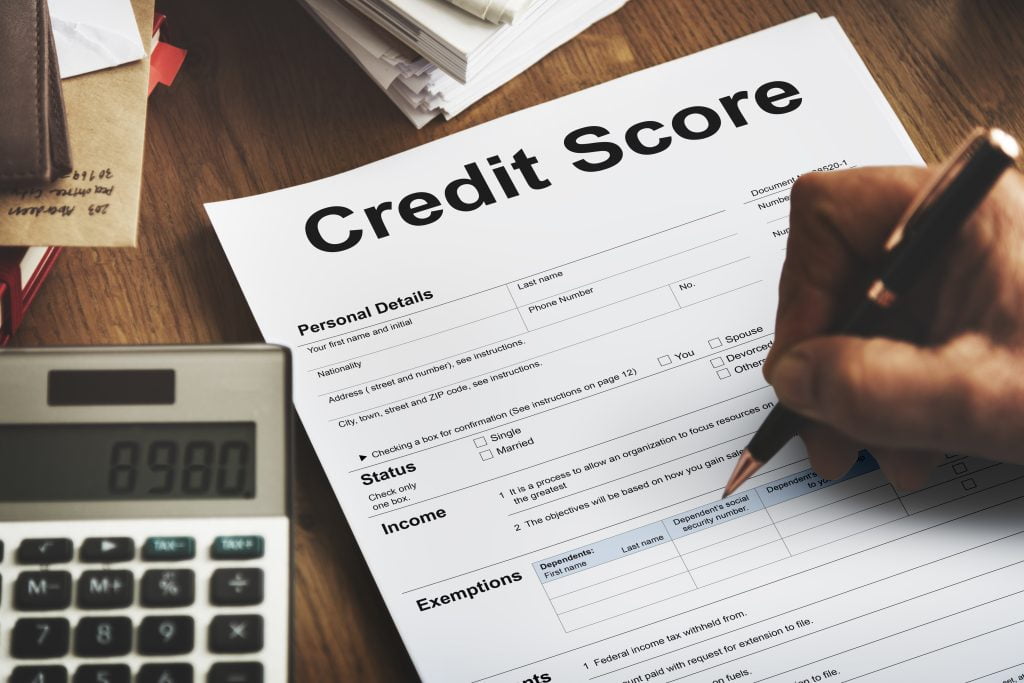
When it comes to substantial purchases, the majority of individuals rely on loans. However, did you know that your loan eligibility hinges on your credit score? In this piece, we unravel the concept of credit scores and divulge strategies to maintain and enhance yours. This article is endorsed by Dickon Brough, Head of Retail Models at Standard Chartered Bank (SCB). Understanding Credit Scores A credit score is a numerical representation of an individual’s credit history, derived from a range of factors including: – Loan applications – Credit bureau reports – Performance on existing loans This score gauges the likelihood of a loan applicant repaying an extended loan. Typically, the score spans a range, for instance, 0 to 1000, where: – Lower scores indicate higher default probability – Higher scores signify a lower likelihood of missed payments or default Checking Your Credit Score in Singapore To access your credit score, generate a credit report from the Credit Bureau Singapore (CBS)[¹]. You can either: Request a softcopy online Request a hardcopy at SingPost outlets, CBS office, or CrimsonLogic Service Bureaus Cost: S$6.42 (incl. GST) + S$2.00 for various delivery modes. You can collect your report within 2 hours at a SingPost outlet for an extra fee of S$17.12. Deciphering Good and Bad Scores A credit score’s classification as good or bad varies by product and the lender’s risk appetite. This hinges on the lender’s acceptable default rate and pricing strategy. Impact of Credit Scores on Loan Eligibility A person’s credit score is pivotal in the loan application process as it affects: – Loan cost – Application approval Higher credit scores usually lead to better interest rates. Conversely, lower scores can lead to stringent terms or loan denial. Credit Score and Loan Eligibility at Standard Chartered Bank At SCB, lending decisions are based on “cut-off” or base scores. Applicants below the “cut-off” are declined, while those above are approved, provided they meet additional affordability and verification criteria. The “cut-off” is set to align with SCB’s risk appetite for the specific product. Other Factors in Loan Application Lenders may also consider factors like annual salary, employment period, bankruptcy/litigation history, and number of credit facilities. For SCB products, consult product-specific credit risk policies for details. Factors Influencing Your Credit Score Available Credit: Numerous open credit accounts can lower your score. Recent Credit: Spacing out credit applications is advisable to avoid seeming financially strained. Enquiry Activity: Frequent loan applications may reduce your score. Utilization Pattern: Higher credit utilization may lower your score. Account Delinquency Data: Late payments can negatively impact your score. Credit Account History: A record of punctual payments can enhance your score. Elevating Your Credit Score While credit reports reflect the past 12 months, you can improve your score over the next year through these practices: Stay within Credit Limits: Avoid high utilization of existing credit cards. Manage Credit Card Payments: Aim to clear credit card balances monthly to avoid interest buildup. Control Total Credit Exposure: Keep credit exposure a small fraction of your income. Demonstrate Low Risk Management: Manage existing credit exposure responsibly. Limit Multiple Loan Applications: Applying to multiple lenders in a short time can appear credit-hungry. Sustaining and Enhancing Your Credit Score Adopt prudent financial practices, avoid overspending, and critically assess lenders’ loan terms when applying for loans. This ensures not only loan approval but also favorable repayment terms.
Navigating Emergency Funds: Understanding CPF Personal Loans

During financial emergencies, securing quick funds can be a daunting task. While personal loans are a popular choice in Singapore, there’s a variety of options available. One such option is the CPF personal loan, tailored to specific individuals and offering swift access to much-needed finances for unexpected expenses like medical bills and home repairs. Let’s delve into what a CPF personal loan entails, its eligibility criteria, application requirements, and how it compares to traditional personal loans. What is a CPF Personal Loan? A CPF personal loan in Singapore allows you to borrow against the savings in your CPF account. This form of loan is ideal for unforeseen expenditures, enabling you to borrow up to six times your monthly income at competitive interest rates ranging from 1% to 4% per month. Typically, the repayment period spans from 6 to 12 months post-loan approval or up to your 55th birthday. Read on to find out if you’re eligible and the prerequisites for application. Eligibility Criteria While CPF personal loans offer an appealing proposition, there are specific eligibility prerequisites to fulfill. You are eligible if you meet the following criteria: – You’re at least 54 years old or approaching 55 years old. – Your minimum monthly salary, as a Singapore Citizen or Permanent Resident, is $2,000. – You can withdraw a minimum of $5,000 from your Special or Ordinary Account Savings. Required Documents To successfully apply for a CPF personal loan, ensure you’re a Singapore citizen or permanent resident and have the following documents at hand: – Identity card/NRIC – Proof of residence (utility bills, letters addressed to you, tenancy agreements) – Proof of employment (recent pay slips, employment contract, certificate of employment) – SingPass (for logging into CPF, HDB, and IRAS websites) CPF Personal Loan vs. Personal Loan A CPF personal loan and a traditional personal loan exhibit distinct differences in terms of eligibility, requirements, and loan tenure. The following table illustrates these variations: To simplify your search for an ideal personal loan, Lendela is at your service. Our loan comparison platform assists you in finding the perfect personal loan in Singapore based on your specific requirements. After filling out an application form, our advanced algorithm matches you with suitable loan options from reputable banks and financial institutions. Secure your emergency funds today with Lendela’s expert assistance. Frequently Asked Questions How does a CPF personal loan differ from a personal loan? A CPF personal loan requires applicants to be at least 54 years old or nearing 55. They must also be eligible to withdraw a minimum of $5,000 from their CPF savings. In contrast, a personal loan is accessible to individuals over 21 years old, catering to a wider range of people. What is a CPF personal loan suitable for? Ideal for Singapore citizens and permanent residents aged 54 or 55, CPF personal loans are designed to provide immediate funds for emergencies such as medical bills and home renovations. What is the repayment period for a CPF personal loan? CPF personal loans require repayment within 6 to 12 months or until the applicant’s 55th birthday (if they are at least 54 years old). What are the interest rates for CPF personal loans? Interest rates for CPF personal loans are capped at 4% per month. What is the maximum loan amount for CPF personal loans? You can borrow up to six times your monthly salary through a CPF personal loan. Does applying for a CPF personal loan impact my credit score? While a credit score isn’t essential for a CPF personal loan application, your application will be evaluated based on your credit history. Non-repayment can significantly affect your credit score. How long does approval for a CPF personal loan take? Approval for a CPF personal loan is swift, with some applications approved within as little as 30 minutes or a few hours.
Understanding and Improving Your Credit Score in Singapore

Your credit score is a crucial aspect of your financial health. It determines your creditworthiness and can significantly impact your ability to obtain loans and financial products. If you’re interested in a career in finance, your credit score becomes even more relevant, as financial institutions now conduct credit checks for employees and potential hires. To ensure you have the best financial opportunities, it’s essential to understand how your credit score is calculated and how to improve it. How is Your Credit Score Calculated in Singapore? In Singapore, credit scores are determined by a proprietary algorithm that tracks your use of credit. You can obtain your credit report, which shows your credit grade, from the Credit Bureau of Singapore (CBS) for a fee of $6. Credit scores in Singapore are represented by risk grades ranging from AA (the highest) to HH (the lowest). Each grade corresponds to a probability of default, indicating the likelihood of a borrower defaulting on their credit obligations. Credit Score Risk Grades in Singapore – AA: 1911 – 2000, between <= 0.27% probability of default – BB: 1844 – 1910, between 0.27% to 0.67% probability of default – CC: 1825 – 1843, between 0.67% to 0.88% probability of default – DD: 1813 – 1824, between 0.88% to 1.03% probability of default – EE: 1782 – 1812, between 1.03% to 1.58% probability of default – FF: 1755 – 1781, between 1.58% to 2.28% probability of default – GG: 1724 – 1754, between 2.28% to 3.48% probability of default – HH: 1000 – 1723, between >= 3.48% probability of default The Importance of a Good Credit Score in Singapore A good credit score is essential for various financial transactions, especially when you need a bank loan for significant expenses like a home, car, business, or education. Financial institutions rely on your credit score to determine your loan quantum, which is the amount they are willing to lend you. Unlike some countries, banks in Singapore seldom vary the interest rate based on credit grades. If you have bad credit, you may be given a smaller loan or rejected altogether. Moreover, a good credit score is becoming increasingly important for job seekers, especially in the finance industry. Some employers may request to see your credit score during the application process, and a bad credit history could impact your chances of securing a job. How to Improve Your Credit Score Risk Grade To improve your credit score risk grade and achieve an AA rating or a close equivalent, consider following these steps: Always Repay Loans on Time: Timely repayment is crucial to maintaining a good credit score. Avoid late payments or delinquencies, as they can significantly affect your credit rating. Avoid Multiple Loan Enquiries: Multiple loan applications within a short period can be seen as credit-hungry behavior and may indicate financial difficulties. Spread out your loan applications and compare offers with the lowest interest rates. Limit the Number of Open Credit Facilities: Avoid having too many credit cards or personal lines of credit. Closing credit cards you no longer use can help improve your credit score. Never Default on Loans: Defaulting on a loan can have severe consequences and negatively impact your credit report indefinitely. Seek credit counseling and debt restructuring if you’re facing financial difficulties. Meet Short-Term Loan Repayments: Settle short-term or small loans in full to demonstrate responsible repayment behavior. Over time, this will help repair your credit and improve your credit score. By following these steps and maintaining a healthy financial track record, you can work towards achieving a high credit score risk grade, ensuring better financial opportunities and a secure financial future. If you need assistance with financial products or loans, consider reaching out to reputable licensed moneylenders like SGP Credit, known for providing competitive and reliable services to help you achieve your financial goals.
Explore Jurong West and Get Fast Cash from Licensed Moneylender

If you’re in need of a refreshing weekend break from your usual routine, consider heading over to Jurong West for a change of scenery and a relaxing time. Jurong West offers a variety of activities to unwind and enjoy, making it the perfect destination for a quick getaway from the stresses of work. Enjoy Retail Therapy at Jurong Point Shopping Centre Indulge in some retail therapy at Jurong Point Shopping Centre, one of the largest suburban shopping malls in Singapore. With a wide range of shops, eateries, and entertainment options, you can spend hours exploring and discovering new favorites. Stroll Through Serene Jurong Lake Gardens Take a leisurely walk at Jurong Lake Gardens, a tranquil oasis in the heart of Jurong. Immerse yourself in the beautiful landscapes, lush greenery, and serene lake views. It’s a perfect spot to unwind and connect with nature. Revisit Student Days at Nanyang Technological University For those feeling nostalgic, visit Nanyang Technological University (NTU) and reminisce about your student days or explore the vibrant campus atmosphere. NTU is one of Singapore’s top universities, known for its academic excellence and beautiful campus. Need Quick Cash for Your Weekend Getaway? Consider a Payday Loan If you find yourself short on cash for this weekend adventure, don’t worry. You can consider a payday loan from a reputable moneylender like SGP Credit. A payday loan is a short-term loan where borrowers borrow a certain amount of cash from a moneylender, usually corresponding to a percentage of their next salary. It is expected to be repaid in full by the borrower’s next payday. Advantages of Taking a Payday Loan Payday loans offer several advantages, especially in emergency situations: Accessibility: Payday loans have minimal requirements for approval, making them easily accessible. Moneylenders usually only ask for identity and income proof, unlike traditional bank loans that often require more documentation. Unsecured Loan: Payday loans are unsecured, meaning they don’t require collateral. This makes the loan process faster and more straightforward. Speedy Processing: Payday loans are known for their speedy processing. Since they have minimal requirements, the assessment of your application can be done quickly, providing you with emergency funds when you need them most. Get a Payday Loan from SGP Credit To ensure a smooth and legitimate payday loan experience, make sure to approach licensed moneylenders like SGP Credit. One reputable licensed moneylender in Singapore is SGP Credit, known for its competitive products and services with minimal requirements. To apply for a payday loan with SGP Credit, you can start the process online or by giving them a call at 6777 1887. Their website provides a list of requirements for your convenience. Once you complete the online application, you’ll be invited for a face-to-face consultation at their office. If everything goes well, you can expect your cash to be released quickly, often within an hour. Why Choose SGP Credit for Your Payday Loan? SGP Credit offers payday loans with interest rates ranging from 1% to 4%, making it an affordable and reliable option for your fast cash needs. When dealing with a licensed moneylender like SGP Credit, you get all the benefits of a payday loan without any of the known disadvantages. So, if you’re looking to explore Jurong West and need some quick cash for your weekend escapade, head to SGP Credit’s website or give them a call. Their friendly team is ready to assist you with your payday loan application. Visit SGP Credit today, your trusted Jurong West Legal Moneylender!
Escaping the Clutches of Loan Sharks in Singapore: How to Safeguard Yourself

Dealing with loan sharks, also known as “Ah Longs,” can quickly turn into a nightmare, particularly if you’re unaware of how to escape their grasp. These illegal or unlicensed moneylenders often masquerade as licensed money lenders to deceive innocent individuals residing in Singapore. They charge exorbitant interest rates and fees, resort to threats and harassment, and make it nearly impossible for borrowers to break free. However, there are ways to protect yourself from their clutches. In this article, we will guide you on how to run away from loan sharks in Singapore. Keep reading to learn more. How to Identify Loan Sharks Recognizing the signs of loan sharks is essential for safeguarding yourself from their predatory practices. Here are eight ways to determine whether you are dealing with a loan shark or a licensed money lender in Singapore: Check the List of Licensed Money Lenders: The Ministry of Law in Singapore maintains a regularly updated list of licensed money lenders. If a money lender is not on this list, they are likely a loan shark. Unusually High Loan Amounts: Loan sharks are often willing to lend more than the legal maximum amount without verifying your income stability. This disregard for regulations should raise red flags. Illegal Advertising: Licensed money lenders are prohibited from contacting you via calls, texts, or emails to offer loans. If you receive unsolicited communication, it is likely from a loan shark. Legal money lenders can only advertise through specific channels, such as directories, their websites, or their business premises. Lack of Physical Office: Licensed money lenders must have a physical office to meet borrowers and verify their identities. If a money lender conducts business solely online or is evasive about their office location, they are likely a loan shark. Excessive Interest Rates: Licensed money lenders adhere to interest rate regulations, capping maximum interest at 4% per month on the loan principal and 4% for late payment fees. If a money lender charges rates exceeding these limits, they are operating illegally. Upfront Administration Fees: Money lenders are not allowed to charge upfront administration fees. Such fees should be deducted from the loan amount when it is granted. If a money lender requests upfront fees, they are likely a loan shark. Incomplete or Absent Loan Contract: A legitimate money lender will provide a complete loan contract for your review and signature. If a money lender fails to provide a contract or presents an incomplete one, it is a strong indication of loan shark activity. Always read loan contracts thoroughly before signing. Threats and Harassment:Money lenders are prohibited from using abusive language or engaging in harassment. If you experience harassment, it is likely you are dealing with a loan shark. However, it’s important to note that some licensed money lenders may engage in inappropriate behavior, and you should report such incidents as well. Consequences of Dealing with Loan Sharks Refusing to repay a loan shark can lead to severe consequences. Loan sharks may impose exorbitant late payment interest rates, resort to threats and abusive language, stalk borrowers, report them to employers, or even seize personal property by force. In extreme cases, loan sharks may threaten to kidnap borrowers or their family members. How to Handle Loan Shark Harassment If you find yourself being harassed by a loan shark, there are steps you can take to protect yourself: Report to the Authorities: Report the harassment to the police, the National Crime Council’s X Ah-Long hotline, or the Registry of Moneylenders. These authorities will take your complaint seriously and address the issue. Cease Payments: If you discover that you are dealing with a loan shark after receiving the loan, and you have reported the issue to the relevant authorities, stop making payments to the loan shark. Do Not Yield to Abuse and Harassment: Although it may be frightening, do not give in to the loan shark’s threats. Yielding only encourages further harassment. Refrain from providing your ATM card or personal details, as assisting a loan shark can lead to legal trouble. Change Compromised Personal Information: If you believe that your sensitive personal information has been compromised, change relevant account log-ins and consider temporarily moving from your home address to avoid harassment. Punishment for Loan Sharks in Singapore Loan sharks are subject to legal consequences for their actions. First-time offenders found guilty of harassment may face: – Up to five years’ imprisonment – Three to six strokes of the cane – Fines ranging from $5,000 to $50,000 It’s important to note that borrowing from a loan shark is also an offense, and individuals who assist loan sharks can face similar legal consequences. Where to Seek Help In addition to reporting loan shark harassment to the relevant authorities, several social services can provide assistance: – MSF ComCare: 1800-222-0000 – Credit Counselling Singapore: 6225-5227 – Arise2Care Community Services: 6909-0628 – Association of Muslim Professionals: 6416-3960 – Blessed Grace Social Services: 8428-6377 – Adullam Life Counselling: 6659-7844 – Silver Lining Community Services: 6749-0400 – One Hope Centre: 6547-1011 Stay Vigilant and Avoid Loan Sharks By being aware of the signs of loan sharks and understanding how to protect yourself, you can avoid falling victim to their predatory practices. Remember, licensed money lenders like SGP Credit offer safe and reliable loan options with reasonable interest rates and transparent terms. If you’re in need of financial assistance, choose licensed money lenders who adhere to regulations and protect your rights. Contact us today to speak with our loan experts or apply for a loan online. Loan Application
7 Ways Personal Loans in Singapore Can Transform Your Cashflow

Whether it’s for emergency medical expenses, enhancing your business’s cash liquidity, or other reasons, getting a personal loan in Singapore can be a viable solution for coping with unexpected financial situations. However, it’s essential to consider certain factors and commitments when taking on monthly loan repayments. In this article, we will explore seven ways to use a personal loan to improve your cash flow and provide key considerations to help you make informed decisions. If you’re considering a personal loan in Singapore, reach out to SGP Credit for personalized assistance and competitive loan options. Contact SGP Credit: Website: www.sgpcredit.com.sg Phone: +65 1234 5678 Email: info@sgpcredit.com.sg Debt Consolidation or Repayment One way to streamline your credit card payments and manage your finances more effectively is by using a personal loan for debt consolidation. By consolidating your credit card bills into a single loan with a lower interest rate, you can simplify your repayment process. This eliminates the need to track multiple due dates and amounts each month. Improving Credit Score Consistently paying your bills on time while managing a personal loan can positively impact your credit score. Timely repayments contribute to a healthy credit mix and decrease your credit utilization rate, potentially improving your overall creditworthiness. Home Improvement or Renovation Personal loans can be beneficial for financing home improvements or renovations, which often require a substantial amount of money. Before opting for a personal loan, it’s crucial to compare interest rates and assess your affordability based on loan tenures and monthly income. Although personal loans may have higher interest rates and processing fees compared to renovation loans, some banks currently offer more favorable interest rates below 4%. Medical Emergencies In situations where you lack adequate health insurance coverage or your policy has limitations, a personal loan can provide financial relief for medical emergencies. Personal loans or debt settlements can help cover hefty medical bills, especially when insurance policies operate on a reimbursement basis, requiring you to pay upfront. Lifestyle Choices and Milestone Events While personal loans offer a quick and accessible funding option for events like weddings or vacations, it’s important to exercise caution. Careful financial planning can often eliminate the need for personal loans in these situations. Borrowing for such expenses may lead to bad financial habits, and it’s usually more financially prudent to save up for these events rather than borrow. Education For educational expenses, consider specialized education loans instead of personal loans. Some education loan options, such as the DBS Study Loan, offer interest-free benefits during your study period. These loans can result in long-term savings, and certain packages also provide flexible repayment options. To explore the best education loan options, visit SGP Credit’s platform. Micro Businesses/Small Businesses/Side Hustles While personal loans may seem like an option to boost cash flow for small businesses or side hustles, government-backed SME business loans often offer more advantages. Although qualifying for SME business loans may be challenging for certain small businesses, it is still worth exploring these options. However, if you don’t qualify for any SME business loans due to reasons such as a lack of a solid business plan or insufficient credit history, personal loans can serve as a viable alternative. Tips for Picking a Personal Loan When considering a personal loan, it’s important to make informed decisions based on your financial needs and circumstances. Here are a few tips to help you navigate the process: Decide Between a Term or Revolving Personal Loan Term personal loans are suitable for long-term needs and provide a fixed repayment period with lower interest rates. On the other hand, revolving personal loans are ideal if you can repay the loan quickly. While interest rates for revolving loans are higher, they often don’t carry penalties for early repayment. Consider your repayment capability and choose the loan type that aligns with your financial goals. Explore Debt Consolidation Plans Debt consolidation plans (DCP loans) are designed to combine outstanding unsecured debts, such as credit card bills and personal loans, into a single loan with one bank. However, DCP loans don’t cover secured loans like home loans or car loans. Ensure that you meet the eligibility criteria, which typically requires Singapore citizenship or PR status. Consider More Specific Alternatives For specific expenses such as car loans, renovation loans, or education loans, explore alternatives that offer competitive interest rates. Singapore provides grants for housing and small businesses, which can alleviate debt burdens, allowing you to avoid personal loans for these purposes. Remember, understanding your financial needs, researching various loan options, and seeking professional advice can help you make sound financial decisions. When considering a personal loan in Singapore, reach out to SGP Credit for expert guidance and competitive loan options tailored to your requirements.
Dispelling Myths About Personal Loan Rates and Licensed Money Lenders in Singapore**

In today’s world, it’s not uncommon for people to approach personal loans or payday loans from money lenders with skepticism. With numerous scams and fraudulent activities circulating, especially through platforms like WhatsApp, SMS, or social media, it’s natural to adopt a cautious stance when dealing with money lenders. However, it’s important to know that licensed money lenders in Singapore operate under strict regulations enforced by the Ministry of Law. Let’s debunk some common myths and misconceptions surrounding licensed money lenders and personal loan interest rates, so you can make informed decisions about your finances. Myth 1: Money Lenders Charge Exorbitant Interest Rates One of the biggest misconceptions is that licensed money lenders charge excessively high interest rates. While unlicensed money lenders may impose exorbitant rates, licensed money lenders are legally bound by a cap. For personal loans, they can charge a maximum interest rate of 4% per month. Late payment interest can also be charged up to 4% per month, but only on the overdue amount, not on the outstanding loan balance. In addition, licensed money lenders may charge late fees of up to $60 per month, a 10% loan processing fee, and legal costs for successful court claims in the event of loan default. These rates and fees are all regulated by MinLaw’s Registry of Moneylenders to ensure fair practices. Be wary of any money lender offering terms and rates that exceed these legal boundaries, as they are likely operating illegally. Myth 2: Always Choose Loans with the Lowest Interest Rate While it may seem logical to opt for loans with the lowest interest rates, it’s essential to consider the overall terms and conditions. Some banks may offer low-interest rate loans but impose additional fees that end up costing more. Rather than focusing solely on advertised interest rates, carefully examine the effective interest rates, along with factors like late repayment fees, early redemption penalties, and administrative fees. When it comes to licensed money lenders, lower interest rates might come with shorter loan tenures, resulting in higher monthly installment amounts. If you can comfortably afford these higher installments, it may be a suitable option. However, if the higher monthly payments pose a challenge, opting for a longer loan tenure, even with higher interest rates, can be a more prudent choice. Remember, missing payments can lead to accumulating late interest fees and charges, ultimately costing you more. Before applying for a loan, take the time to understand the differences between personal loans offered by banks and licensed money lenders. Assess which option aligns better with your needs and financial situation. Myth 3: High Minimum Income Requirements for Loans Contrary to popular belief, licensed money lenders do not impose high minimum income requirements like banks do. While most banks in Singapore require a monthly income of at least $30,000 per annum to qualify for a personal loan, licensed money lenders cater to individuals earning less than $10,000 per annum. As long as you fall within the age range of 18 to 65 and have a regular stream of income, even from part-time work, freelance work, or rental income, you are eligible for a personal loan. The Registry of Moneylenders sets maximum borrowing limits based on income and citizenship. For Singapore citizens and permanent residents, the limits are $3,000 for an annual income below $10,000, and six times the monthly income for those earning $10,000 and above. Foreigners have a maximum borrowing limit of $500 for an annual income below $10,000, and six times the monthly income for higher income brackets. Myth 4: Money Lenders Are Scammers and Dishonest Licensed money lenders often get a bad reputation due to beingmistaken for illegal loan sharks or “ah longs” who engage in harassment. However, licensed money lenders operate under strict regulations outlined by local authorities. They must adhere to the Moneylenders Act and follow legal procedures and guidelines. While licensed money lenders may employ debt collectors to follow up with borrowers, these debt collectors must adhere to the industry’s Professional Debt Recovery Practices. Myth 5: Personal Loans from Money Lenders Affect Your Credit Score Contrary to popular belief, taking a personal loan from licensed money lenders does not directly impact your credit score. However, how you manage your loan and fulfill repayment obligations can significantly affect your credit score. It’s important to avoid owing large credit amounts, overextending your finances with multiple new credit facilities, late repayments, and making multiple loan inquiries within a short period. To verify whether a money lender is licensed, always visit their physical office and personally inspect their license certificate before applying for a loan. Soon Seng Credit, located in People’s Park Complex, Chinatown, is a reputable and highly reviewed licensed money lender. With over 2,000 reviews on Google, they prioritize transparency and professionalism. Remember, by understanding the facts and debunking these common myths, you can make well-informed decisions when considering personal loans and licensed money lenders in Singapore. Contact SGP Credit Website: www.sgpcredit.com.sg Phone: +65 6466 1157 Email: info@sgpcredit.com.sg