Strengthening Debtors’ Rights: New Singapore Laws

In Singapore, anyone can face financial challenges, and sadly, some individuals dealing with debt are finding themselves targeted by a concerning trend: fraudulent debt consultancy firms. These unregulated companies aren’t just making empty promises; they’re encouraging people in tough situations to file for bankruptcy illegally, all while charging steep and hidden fees. This can lead to even more financial stress and serious consequences for individuals and families. Recognizing how important this issue is, the Ministry of Law (MinLaw) is stepping in with new laws aimed at curbing these unfair practices. Their goal is to protect borrowers and help restore trust in Singapore’s financial support system. At SGP Credit, we’re all in favour of these positive changes and remain dedicated to providing ethical and transparent lending. The Rise of Fraudulent Debt Consultancies In recent years, we’ve noticed a growing number of unregulated debt consultancies here in Singapore. These firms often reach out to individuals who are in tough financial situations, offering promises of “quick fixes” or “guaranteed solutions.” However, the reality can be quite different. Many of these companies tend to: Charge high upfront fees or hidden costs, which can make financial difficulties even harder. Misrepresent legitimate legal options, leading clients away from helpful debt repayment programs. Pressure debtors into unnecessary or even illegal bankruptcy filings, sometimes using misleading information or skipping essential procedures. These practices can leave individuals in a more challenging financial position, not to mention the emotional stress that comes with feeling trapped and hopeless after falling victim to these scams. That’s why these new legal changes are so important — they aim to protect individuals from these practices and provide a safer path to financial recovery. MinLaw’s Response: New Laws for Greater Protection To address the issues with debt consultancies, the Ministry of Law (MinLaw) is enthusiastic to introduce some important new laws aimed at helping everyone navigate their financial challenges more safely and effectively: Regulating Debt Consultancy Services: They’re making sure that only licensed and qualified professionals can offer debt advice. This way, you can receive support from experts who are committed to helping you and are accountable to the law. Criminalizing Fraudulent Practices: MinLaw wants to protect you from bad practices! Consultancies that encourage or assist individuals in filing for bankruptcy inappropriately will face serious consequences, including fines and possible imprisonment. They’re sending a strong message: exploiting those in vulnerable situations simply won’t be accepted in Singapore. Ensuring Transparent and Fair Debt Solutions: New rules will make sure that all debt repayment plans and bankruptcy filings truly prioritize what’s best for you and not just the profits of debt consultancies. We’ll have greater oversight of how debt advice is delivered and how fees are structured. These changes are a big step toward safeguarding individuals from unscrupulous schemes and bringing integrity back to the debt advisory industry. What This Means for Borrowers For borrowers, these changes bring some great benefits: More Safety: You can feel confident knowing that debt advice is provided by regulated and accountable professionals who are here to help you. Simpler Choices: Finding your way through the options is now easier, making it simpler to spot and avoid any shady firms. Legal Protection: You’re protected from being pushed into any illegal bankruptcy filings, giving you peace of mind. Empowerment: With access to more information and stronger laws, you’ll be better equipped to make smart choices about your financial future. SGP Credit’s Commitment: Ethical Lending, Always At SGP Credit, we’re all about helping borrowers with honesty and a friendly approach. We’re excited about MinLaw’s new laws, and we want you to know that when you choose to work with us, you can count on: Clear Terms: We promise no hidden fees or complicated language—just straightforward information. Trusted Support: We’re fully licensed and always put your best interests at heart. Helpful Guidance: We’re here to walk you through all your options for managing debt, always prioritizing your needs and only suggesting bankruptcy when it’s really the best path for you. How You Can Protect Yourself As new laws are on the horizon, here are some tips to help you protect your financial journey: Check Credentials: It’s always a good idea to work with debt advisors who are licensed by MinLaw or the Monetary Authority of Singapore (MAS). Trustworthy help is key! Watch Out for Upfront Fees: Be cautious of any company that asks for big payments before giving you genuine assistance. You deserve help that comes without strings attached. Ask for Written Contracts: Don’t hesitate to request clear, written agreements for any debt advice or services. It’s important to have everything in black and white. Talk to Licensed Moneylenders: If you need solutions, go straight to regulated lenders. They can offer you transparent options you can rely on. Know Your Rights: Take a little time to familiarize yourself with the protections provided by Singapore’s Moneylenders Act, and stay in the loop about any new laws. Knowledge is power! Hang in there, and feel empowered to manage your financial journey safely! Conclusion: Building a Safer Financial Future The upcoming legal changes are a win for all of us—borrowers, responsible lenders, and our community as a whole. By tackling fraudulent consultancies and illegal bankruptcy filings, Singapore is making our financial landscape fairer and more transparent. Stay in the loop and opt for licensed partners like SGP Credit. Remember, the best support is always ethical, regulated, and truly focused on helping you. Let’s empower your financial journey together—choose trust, transparency, and legal protection every step of the way!
Property Loans for Business – Secure Financing Solutions

Did you know that over 60% of small and medium businesses in Singapore use property loans for business growth? These loans turn commercial property into a valuable asset that fuels expansion. They give business owners a stable source of money to invest in growth with certainty. In Singapore’s active business environment, commercial property loans are a key to obtaining significant funds. These funds can be used for upgrading current setups or buying new properties. By enabling access to considerable capital, these loans enhance a business’s financial condition and its ability to operate. This boost in funding means more stability and chances for impressive growth. Key Takeaways Over 60% of SMEs in Singapore use property loans for expansion. Commercial property financing provides a reliable source of significant capital. Business owners can leverage assets to secure funding for growth. Property loans offer long-term financial stability and operational enhancement. Singapore business loans facilitate investments in new and existing commercial real estate. Understanding Property Loans for Business Property loans for business are key for companies looking to finance their growth. They use their real estate as collateral. This opens doors to tailored financing options. Let’s explore how these loans can help businesses. What are Business Property Loans? Business property loans help companies buy, refinance, or improve their real estate. They’re backed by a commercial mortgage. This makes the real estate itself a security, offering better loan terms. Types of Property Loans for Business Various property loans meet different business needs: Bridging Loans: Short-term help for businesses awaiting long-term solutions. They’re great for quick capital access. Term Loans: These have fixed schedules and interest rates. Good for long-term real estate investments. Development Loans: They fund real estate development. Perfect for construction, remodeling, or expansion. How Property Loans Differ from Other Business Loans It’s important to know how property loans differ from others. This helps in making smart financial choices. Here’s a comparison: Loan Type Collateral Requirement Common Use-Cases Commercial Mortgage Yes Real estate acquisition, refinancing, development Lines of Credit No Short-term operational needs Equipment Financing Yes (Equipment) Purchasing machinery or equipment Equity Loans for Business Yes (Business equity) Business expansion, working capital Knowing the differences helps companies pick the best financing. This way, they can grow using their real estate and assets wisely. Benefits of Property Loans for Businesses Property loans are great for businesses. They bring stability and help grow. These are key for financial success and bigger operations. Long-term Financial Stability Property loans offer long-term stability. They let businesses use property as security for big loans. This makes their finances stronger. Businesses can deal with ups and downs better. Investment in Commercial Property In Singapore These loans allow businesses to invest in commercial property. It makes their portfolio wider. Real estate investments can earn through rent and grow in value. This boosts the business’s finances and assets over time. Enhanced Business Expansion Opportunities Property loans help businesses grow. They can open new spots, upgrade, or get better at what they do. This money makes scaling up easier. It’s key for growing their market share and operations. Benefit Description Long-term Financial Stability Provides a solid financial base to support growth and withstand economic changes. Investment in Commercial Real Estate Enables diversification of asset portfolios and potential for property value appreciation. Enhanced Business Expansion Opportunities Offers liquidity for opening new branches, upgrading facilities, and scaling operations. Eligibility Criteria for Property Loans in Singapore To secure a loan in Singapore, you must meet specific criteria. Lenders use these to check if you can afford the loan and if the property is worth the amount. Knowing these criteria can help you get approved. Creditworthiness and Financial Statements Your creditworthiness matters a lot. Lenders look at your financial statements, like income and cash flow. Good financials show you can pay back the loan, making you more likely to get it. Property Appraisals Getting your property valued is a key step. This valuation shows the property’s market worth. The loan amount you can get depends a lot on this value. Ensure you have it appraised by a professional to prove its value. Business Plan and Projections Having a strong business plan and financial projections is crucial. Lenders want to see that your business can make enough money to pay back the loan. Clear projections improve your chances of getting the loan. Comparing Different Property Loan Products When looking at property loans for your business, it’s key to know the options out there. Understanding interest rates, loan terms, and needed documents is vital. This knowledge helps you pick the right loan for your business’s needs. Fixed vs. Variable Rate Loans Choosing between fixed and variable interest rates is important. With a fixed-rate loan, your interest rate stays the same. This makes your monthly payments predictable. Variable rates can change, meaning you might pay less at first, but more later. Rate Type Advantages Disadvantages Fixed Rate Predictable payments, shielded from rate increases Could start with higher rates Variable Rate Start lower, could pay less if rates drop Payments can change, may grow over time Short-term vs. Long-term Loans The period of your loan can also affect your choices. Short-term loans mean higher monthly costs but less overall interest. They fit well for businesses with lots of money coming in. Long-term loans spread your costs over more time. This means lower monthly payments but possibly more interest in total. Loan Term Advantages Disadvantages Short-term Pays less interest, quicker debt-free. Requires bigger monthly payments. Long-term Smaller monthly payments, better for cash flow. More total interest to pay. Full-Doc vs. Low-Doc Loans The paperwork for property loans can be different, too. Full-doc loans need lots of financial papers. This includes tax returns and bank statements. They give a detailed look at your business’s finances. Low-doc loans, on the other hand, need less paperwork. But they might have higher rates or stricter terms because of it. Documentation Type Advantages Disadvantages Full-Doc May lead to lower rates, better loan conditions. Need a lot of documents,
How to choose the best money lender in Singapore?

Managing personal finance can be a daunting task, particularly when one requires financial assistance beyond the conventional banking system. In Singapore, the financial landscape is robust, with a variety of avenues for those seeking loans, particularly through licensed money lenders. However, not all money lenders are created equal, and choosing the right one can make a significant difference in your financial well-being. Whether you seek a loan for a medical emergency, education, or another life expense, it’s crucial to select a money lender you can trust. This comprehensive guide provides valuable insights into the criteria you should evaluate before choosing a money lender in Singapore, ensuring you make an informed and beneficial choice for your financial future. The Role of Money Lenders in Singapore To tackle the topic, it’s essential first to distinguish between money lenders and the banking institutions most people are familiar with. Money lenders provide financial services similar to those of a bank, predominantly in the form of loans. However, they differ significantly in their approach to lending. Money lenders often cater to a different segment of the population, with distinct needs and sometimes less conventional financial backgrounds. Borrowers of money lenders might not qualify for loans from traditional banks due to various reasons, including a lack of credit history or bad credit. The Legal Framework Singapore’s Ministry of Law regulates money lending in the city-state. The Moneylenders Act provides a legal structure that oversees and governs the practice of money lending. The act is designed to protect both the borrowers and the lenders, ensuring that lending is carried out in a manner that is fair and transparent. Types of Money Lenders Money lenders in Singapore typically fall under two categories: licensed and unlicensed. Licensed moneylenders operate under the regulations set forth by the Moneylenders Act. It’s important to note that engaging with unlicensed money lenders is illegal and can lead to significant financial and legal repercussions. Banks also provide personal loans, but they do so under different terms and conditions compared to money lenders. Banks may not be as flexible in their lending practices and may require higher standards of creditworthiness from their borrowers. Licensed Moneylenders in Singapore Licensed moneylenders in Singapore are regulated under the strict guidelines of the Moneylenders Act, ensuring that all transactions are conducted legally and fairly. These lenders are required to adhere to certain caps on interest rates and fees, providing borrowers with a level of protection against exorbitant charges. When choosing a licensed moneylender, borrowers have the assurance that the lender has been vetted and approved by the Registry of Moneylenders, part of the Ministry of Law. This category offers a legitimate and safer alternative for those in need of personal loans, especially for borrowers who may not meet the stringent requirements of banks. Unlicensed Moneylenders (Loan Sharks) Engaging with unlicensed moneylenders, often referred to as loan sharks, is illegal in Singapore and comes with severe financial and legal risks. Unlicensed lenders do not operate under the Moneylenders Act and often employ unethical practices, such as charging exorbitant interest rates, using harassment tactics for loan recovery, and operating without a transparent contract. Borrowers are strongly advised against dealing with these entities as it can lead to a cycle of debt that is difficult to escape, along with the possibility of legal consequences for both parties involved. Banks Offering Personal Loans Banks in Singapore also provide personal loans, but under different regulatory frameworks and criteria compared to moneylenders. Banks typically require a higher credit score and proof of income from their borrowers, making their loans more accessible to individuals with stable financial backgrounds. The terms and conditions of bank loans often include more competitive interest rates and longer repayment periods. However, the application process can be more stringent and less flexible, with a longer approval time. Banks are best suited for borrowers looking for larger loan amounts and who have a good credit history. Factors to Consider When Choosing a Money Lender Once you have a grasp of what differentiates money lenders in Singapore, it’s time to delve into the key factors you should take into account when selecting one. Each aspect plays a critical role in ensuring you’re making a prudent decision about your financial arrangements. Interest Rates and Fees Interest rates are a pivotal aspect of any loan, and money lender interest rates can vary significantly. It’s vital to fully grasp the nature of the interest and fee structure before committing to a loan. Often, money lenders may offer seemingly low-interest rates that come with exorbitant fees, inflating the actual cost of the loan. Assessing the True Cost of the Loan The most direct way to compare the cost of loans is to use an annual percentage rate (APR). This includes not only the nominal interest rate but also any application, processing, or service fees. The APR gives a more accurate representation of the total cost of the loan compared to the nominal rate alone. Loan Terms Understanding the terms of your loan is crucial to ensure it aligns with your financial situation and needs. Consider the duration of the loan and the implications of both short-term and long-term borrowing. Short-term loans may offer quicker relief and potentially lower overall interest, but they often come with higher monthly payments. On the other hand, long-term loans spread the repayment over a longer period, making monthly payments more manageable but possibly leading to a higher total interest cost over the life of the loan. It’s important to assess your financial capacity for repayment in the context of your current and anticipated financial situation to make an informed decision. Repayment Schedules The flexibility of repayment schedules can be a significant benefit as it allows you to adjust payments based on your financial standing. Look for lenders who offer options such as monthly, bi-monthly, or quarterly payments, depending on your preference and the terms of the loan. Reputation and Credibility Reputation is everything, particularly in the financial sector. Opting for a licensed
Explore Jurong West and Get Fast Cash from Licensed Moneylender

If you’re in need of a refreshing weekend break from your usual routine, consider heading over to Jurong West for a change of scenery and a relaxing time. Jurong West offers a variety of activities to unwind and enjoy, making it the perfect destination for a quick getaway from the stresses of work. Enjoy Retail Therapy at Jurong Point Shopping Centre Indulge in some retail therapy at Jurong Point Shopping Centre, one of the largest suburban shopping malls in Singapore. With a wide range of shops, eateries, and entertainment options, you can spend hours exploring and discovering new favorites. Stroll Through Serene Jurong Lake Gardens Take a leisurely walk at Jurong Lake Gardens, a tranquil oasis in the heart of Jurong. Immerse yourself in the beautiful landscapes, lush greenery, and serene lake views. It’s a perfect spot to unwind and connect with nature. Revisit Student Days at Nanyang Technological University For those feeling nostalgic, visit Nanyang Technological University (NTU) and reminisce about your student days or explore the vibrant campus atmosphere. NTU is one of Singapore’s top universities, known for its academic excellence and beautiful campus. Need Quick Cash for Your Weekend Getaway? Consider a Payday Loan If you find yourself short on cash for this weekend adventure, don’t worry. You can consider a payday loan from a reputable moneylender like SGP Credit. A payday loan is a short-term loan where borrowers borrow a certain amount of cash from a moneylender, usually corresponding to a percentage of their next salary. It is expected to be repaid in full by the borrower’s next payday. Advantages of Taking a Payday Loan Payday loans offer several advantages, especially in emergency situations: Accessibility: Payday loans have minimal requirements for approval, making them easily accessible. Moneylenders usually only ask for identity and income proof, unlike traditional bank loans that often require more documentation. Unsecured Loan: Payday loans are unsecured, meaning they don’t require collateral. This makes the loan process faster and more straightforward. Speedy Processing: Payday loans are known for their speedy processing. Since they have minimal requirements, the assessment of your application can be done quickly, providing you with emergency funds when you need them most. Get a Payday Loan from SGP Credit To ensure a smooth and legitimate payday loan experience, make sure to approach licensed moneylenders like SGP Credit. One reputable licensed moneylender in Singapore is SGP Credit, known for its competitive products and services with minimal requirements. To apply for a payday loan with SGP Credit, you can start the process online or by giving them a call at 6777 1887. Their website provides a list of requirements for your convenience. Once you complete the online application, you’ll be invited for a face-to-face consultation at their office. If everything goes well, you can expect your cash to be released quickly, often within an hour. Why Choose SGP Credit for Your Payday Loan? SGP Credit offers payday loans with interest rates ranging from 1% to 4%, making it an affordable and reliable option for your fast cash needs. When dealing with a licensed moneylender like SGP Credit, you get all the benefits of a payday loan without any of the known disadvantages. So, if you’re looking to explore Jurong West and need some quick cash for your weekend escapade, head to SGP Credit’s website or give them a call. Their friendly team is ready to assist you with your payday loan application. Visit SGP Credit today, your trusted Jurong West Legal Moneylender!
Escaping the Clutches of Loan Sharks in Singapore: How to Safeguard Yourself

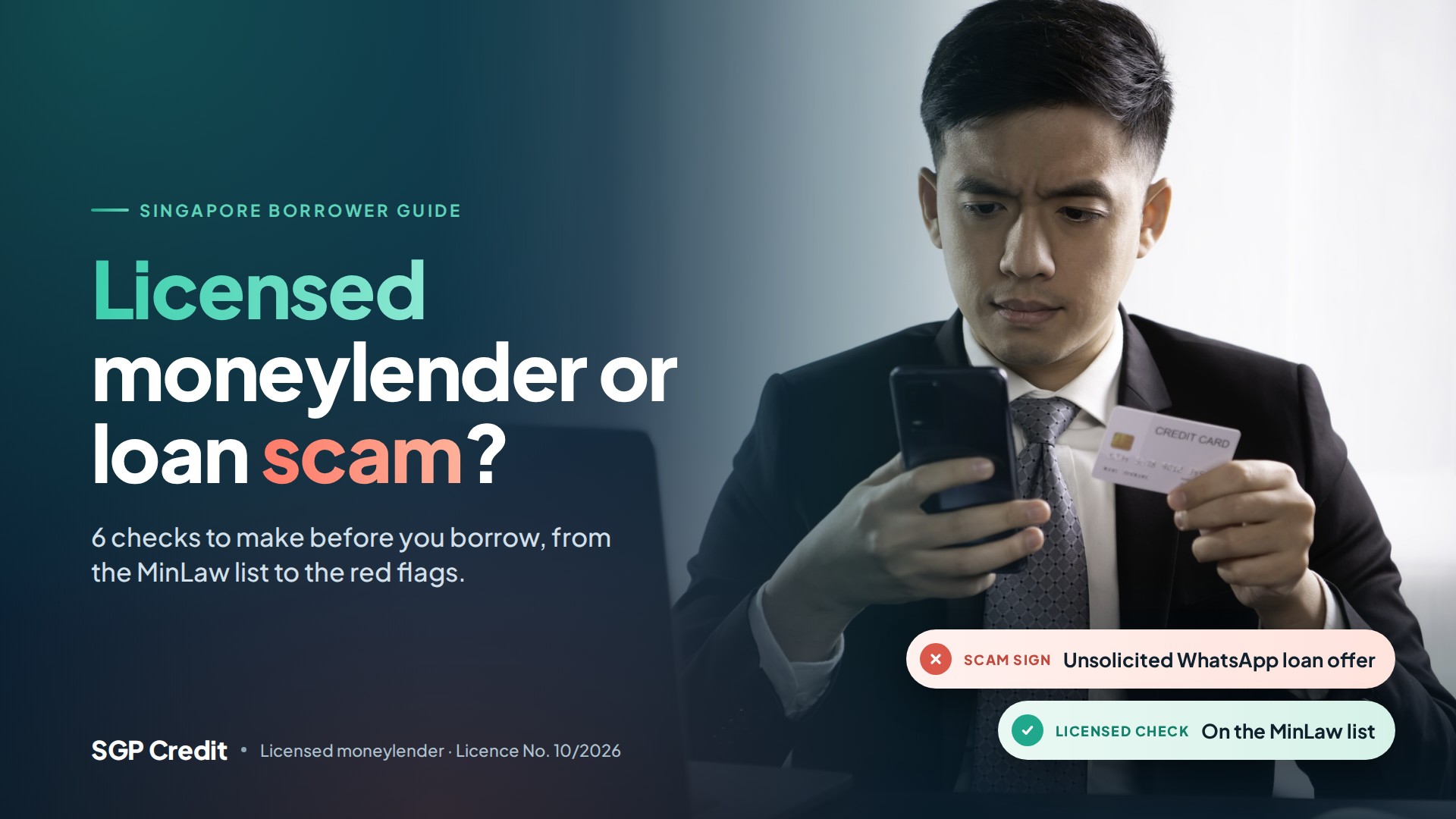
Dealing with loan sharks, also known as “Ah Longs,” can quickly turn into a nightmare, particularly if you’re unaware of how to escape their grasp. These illegal or unlicensed moneylenders often masquerade as licensed money lenders to deceive innocent individuals residing in Singapore. They charge exorbitant interest rates and fees, resort to threats and harassment, and make it nearly impossible for borrowers to break free. However, there are ways to protect yourself from their clutches. In this article, we will guide you on how to run away from loan sharks in Singapore. Keep reading to learn more. How to Identify Loan Sharks Recognizing the signs of loan sharks is essential for safeguarding yourself from their predatory practices. Here are eight ways to determine whether you are dealing with a loan shark or a licensed money lender in Singapore: Check the List of Licensed Money Lenders: The Ministry of Law in Singapore maintains a regularly updated list of licensed money lenders. If a money lender is not on this list, they are likely a loan shark. Unusually High Loan Amounts: Loan sharks are often willing to lend more than the legal maximum amount without verifying your income stability. This disregard for regulations should raise red flags. Illegal Advertising: Licensed money lenders are prohibited from contacting you via calls, texts, or emails to offer loans. If you receive unsolicited communication, it is likely from a loan shark. Legal money lenders can only advertise through specific channels, such as directories, their websites, or their business premises. Lack of Physical Office: Licensed money lenders must have a physical office to meet borrowers and verify their identities. If a money lender conducts business solely online or is evasive about their office location, they are likely a loan shark. Excessive Interest Rates: Licensed money lenders adhere to interest rate regulations, capping maximum interest at 4% per month on the loan principal and 4% for late payment fees. If a money lender charges rates exceeding these limits, they are operating illegally. Upfront Administration Fees: Money lenders are not allowed to charge upfront administration fees. Such fees should be deducted from the loan amount when it is granted. If a money lender requests upfront fees, they are likely a loan shark. Incomplete or Absent Loan Contract: A legitimate money lender will provide a complete loan contract for your review and signature. If a money lender fails to provide a contract or presents an incomplete one, it is a strong indication of loan shark activity. Always read loan contracts thoroughly before signing. Threats and Harassment:Money lenders are prohibited from using abusive language or engaging in harassment. If you experience harassment, it is likely you are dealing with a loan shark. However, it’s important to note that some licensed money lenders may engage in inappropriate behavior, and you should report such incidents as well. Consequences of Dealing with Loan Sharks Refusing to repay a loan shark can lead to severe consequences. Loan sharks may impose exorbitant late payment interest rates, resort to threats and abusive language, stalk borrowers, report them to employers, or even seize personal property by force. In extreme cases, loan sharks may threaten to kidnap borrowers or their family members. How to Handle Loan Shark Harassment If you find yourself being harassed by a loan shark, there are steps you can take to protect yourself: Report to the Authorities: Report the harassment to the police, the National Crime Council’s X Ah-Long hotline, or the Registry of Moneylenders. These authorities will take your complaint seriously and address the issue. Cease Payments: If you discover that you are dealing with a loan shark after receiving the loan, and you have reported the issue to the relevant authorities, stop making payments to the loan shark. Do Not Yield to Abuse and Harassment: Although it may be frightening, do not give in to the loan shark’s threats. Yielding only encourages further harassment. Refrain from providing your ATM card or personal details, as assisting a loan shark can lead to legal trouble. Change Compromised Personal Information: If you believe that your sensitive personal information has been compromised, change relevant account log-ins and consider temporarily moving from your home address to avoid harassment. Punishment for Loan Sharks in Singapore Loan sharks are subject to legal consequences for their actions. First-time offenders found guilty of harassment may face: – Up to five years’ imprisonment – Three to six strokes of the cane – Fines ranging from $5,000 to $50,000 It’s important to note that borrowing from a loan shark is also an offense, and individuals who assist loan sharks can face similar legal consequences. Where to Seek Help In addition to reporting loan shark harassment to the relevant authorities, several social services can provide assistance: – MSF ComCare: 1800-222-0000 – Credit Counselling Singapore: 6225-5227 – Arise2Care Community Services: 6909-0628 – Association of Muslim Professionals: 6416-3960 – Blessed Grace Social Services: 8428-6377 – Adullam Life Counselling: 6659-7844 – Silver Lining Community Services: 6749-0400 – One Hope Centre: 6547-1011 Stay Vigilant and Avoid Loan Sharks By being aware of the signs of loan sharks and understanding how to protect yourself, you can avoid falling victim to their predatory practices. Remember, licensed money lenders like SGP Credit offer safe and reliable loan options with reasonable interest rates and transparent terms. If you’re in need of financial assistance, choose licensed money lenders who adhere to regulations and protect your rights. Contact us today to speak with our loan experts or apply for a loan online. Loan Application
Dispelling Myths About Personal Loan Rates and Licensed Money Lenders in Singapore**

In today’s world, it’s not uncommon for people to approach personal loans or payday loans from money lenders with skepticism. With numerous scams and fraudulent activities circulating, especially through platforms like WhatsApp, SMS, or social media, it’s natural to adopt a cautious stance when dealing with money lenders. However, it’s important to know that licensed money lenders in Singapore operate under strict regulations enforced by the Ministry of Law. Let’s debunk some common myths and misconceptions surrounding licensed money lenders and personal loan interest rates, so you can make informed decisions about your finances. Myth 1: Money Lenders Charge Exorbitant Interest Rates One of the biggest misconceptions is that licensed money lenders charge excessively high interest rates. While unlicensed money lenders may impose exorbitant rates, licensed money lenders are legally bound by a cap. For personal loans, they can charge a maximum interest rate of 4% per month. Late payment interest can also be charged up to 4% per month, but only on the overdue amount, not on the outstanding loan balance. In addition, licensed money lenders may charge late fees of up to $60 per month, a 10% loan processing fee, and legal costs for successful court claims in the event of loan default. These rates and fees are all regulated by MinLaw’s Registry of Moneylenders to ensure fair practices. Be wary of any money lender offering terms and rates that exceed these legal boundaries, as they are likely operating illegally. Myth 2: Always Choose Loans with the Lowest Interest Rate While it may seem logical to opt for loans with the lowest interest rates, it’s essential to consider the overall terms and conditions. Some banks may offer low-interest rate loans but impose additional fees that end up costing more. Rather than focusing solely on advertised interest rates, carefully examine the effective interest rates, along with factors like late repayment fees, early redemption penalties, and administrative fees. When it comes to licensed money lenders, lower interest rates might come with shorter loan tenures, resulting in higher monthly installment amounts. If you can comfortably afford these higher installments, it may be a suitable option. However, if the higher monthly payments pose a challenge, opting for a longer loan tenure, even with higher interest rates, can be a more prudent choice. Remember, missing payments can lead to accumulating late interest fees and charges, ultimately costing you more. Before applying for a loan, take the time to understand the differences between personal loans offered by banks and licensed money lenders. Assess which option aligns better with your needs and financial situation. Myth 3: High Minimum Income Requirements for Loans Contrary to popular belief, licensed money lenders do not impose high minimum income requirements like banks do. While most banks in Singapore require a monthly income of at least $30,000 per annum to qualify for a personal loan, licensed money lenders cater to individuals earning less than $10,000 per annum. As long as you fall within the age range of 18 to 65 and have a regular stream of income, even from part-time work, freelance work, or rental income, you are eligible for a personal loan. The Registry of Moneylenders sets maximum borrowing limits based on income and citizenship. For Singapore citizens and permanent residents, the limits are $3,000 for an annual income below $10,000, and six times the monthly income for those earning $10,000 and above. Foreigners have a maximum borrowing limit of $500 for an annual income below $10,000, and six times the monthly income for higher income brackets. Myth 4: Money Lenders Are Scammers and Dishonest Licensed money lenders often get a bad reputation due to beingmistaken for illegal loan sharks or “ah longs” who engage in harassment. However, licensed money lenders operate under strict regulations outlined by local authorities. They must adhere to the Moneylenders Act and follow legal procedures and guidelines. While licensed money lenders may employ debt collectors to follow up with borrowers, these debt collectors must adhere to the industry’s Professional Debt Recovery Practices. Myth 5: Personal Loans from Money Lenders Affect Your Credit Score Contrary to popular belief, taking a personal loan from licensed money lenders does not directly impact your credit score. However, how you manage your loan and fulfill repayment obligations can significantly affect your credit score. It’s important to avoid owing large credit amounts, overextending your finances with multiple new credit facilities, late repayments, and making multiple loan inquiries within a short period. To verify whether a money lender is licensed, always visit their physical office and personally inspect their license certificate before applying for a loan. Soon Seng Credit, located in People’s Park Complex, Chinatown, is a reputable and highly reviewed licensed money lender. With over 2,000 reviews on Google, they prioritize transparency and professionalism. Remember, by understanding the facts and debunking these common myths, you can make well-informed decisions when considering personal loans and licensed money lenders in Singapore. Contact SGP Credit Website: www.sgpcredit.com.sg Phone: +65 6466 1157 Email: info@sgpcredit.com.sg
Singapore Licensed Moneylender – A Personal Loan Guide to Interest Rates, Tenures, and Repayment Schedules

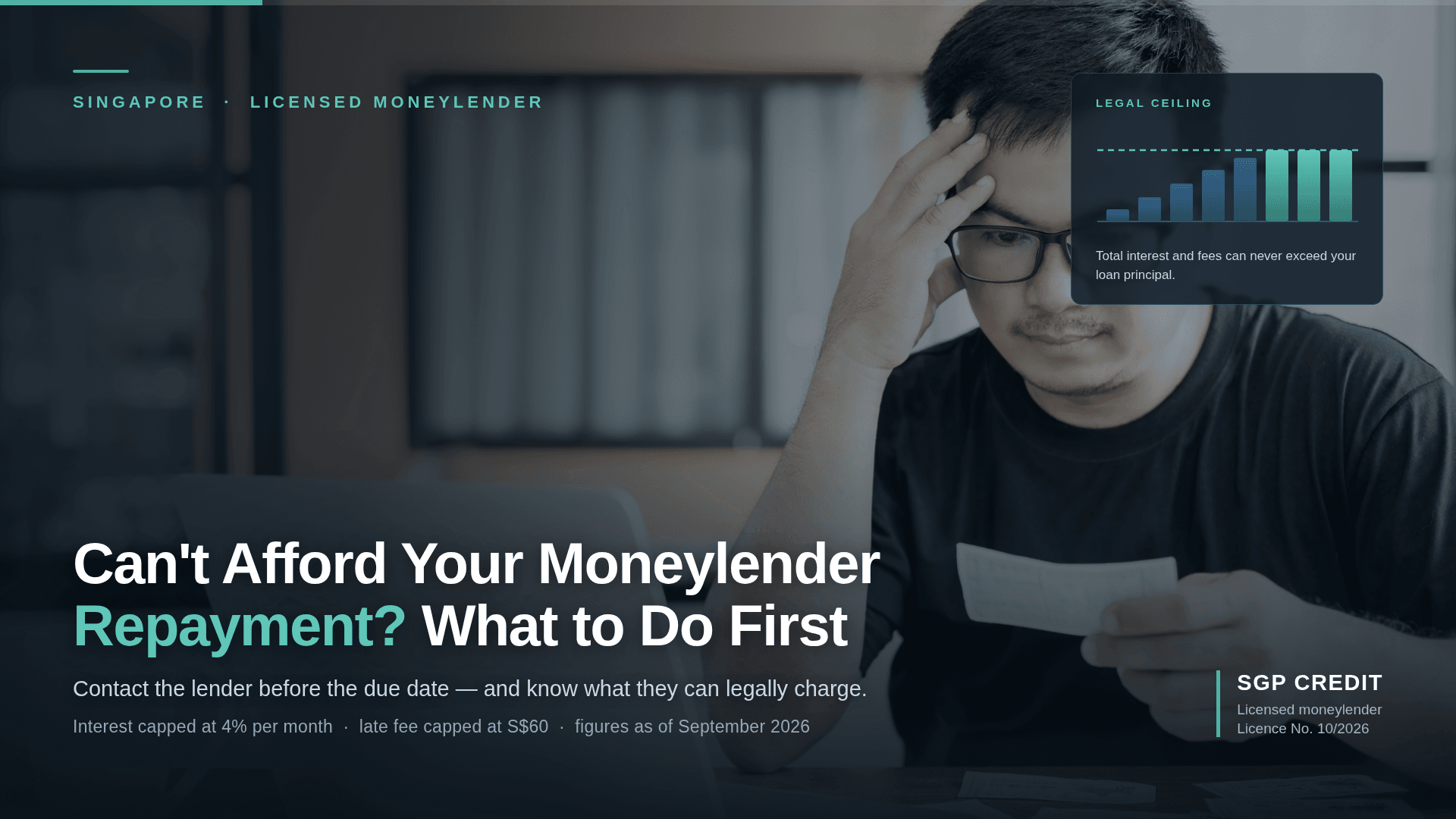
When it comes to managing personal finances, having access to reliable and flexible credit options is essential. Licensed moneylenders in Singapore provide a viable alternative for individuals seeking personal loans. This guide will walk you through the key aspects of personal loans offered by licensed moneylenders, focusing on interest rates, tenures, repayment schedules, and the maximum fees and interest permitted. Understanding these factors will help you make informed decisions and choose the loan that best suits your needs. Interest Rates: One of the crucial factors to consider when applying for a personal loan is the interest rate. Licensed moneylenders in Singapore are regulated by the Ministry of Law under the Moneylenders Act 2008 (Act 31 of 2008) and the Moneylenders Rules 2009. They offer two types of interest rates: Annual Percentage Rate (APR): The APR represents the total cost of borrowing, including interest rates and any other applicable fees. Licensed moneylenders are required to provide borrowers with a clear breakdown of the APR, allowing borrowers to compare loan options more effectively. Section 5(1)(a) of the Moneylenders Rules 2009 requires moneylenders to disclose the effective interest rate to borrowers. Effective Interest Rate (EIR): The EIR represents the actual interest rate incurred over a loan tenure, factoring in compounding and any other charges. Understanding the EIR is crucial as it reflects the true cost of borrowing and helps borrowers accurately assess their repayment capabilities. Repayment Schedules: Repayment schedules determine the frequency and amount of loan installments you need to pay back. Licensed moneylenders in Singapore usually offer weekly, bi-weekly, or monthly repayment options. Section 5(1)(b) of the Moneylenders Rules 2009 requires moneylenders to provide borrowers with a repayment schedule, clearly indicating the installment amounts and due dates. It’s important to review the terms and conditions of each loan carefully, including the repayment schedule, to ensure it aligns with your income and cash flow. Understanding your budget and choosing a repayment schedule that suits your financial situation will help you manage the loan effectively. Maximum Fees and Interest Permitted: Under the Moneylenders Act 2008 and the Moneylenders Rules 2009, there are limits on the fees and interest that licensed moneylenders can charge. These include: Interest Rate Cap: The maximum interest rate that licensed moneylenders can charge is 4% per month. This cap applies regardless of the borrower’s income and whether the loan is secured or unsecured. Late Payment Fees: Moneylenders are permitted to charge a late payment fee of up to $60 per month for each month of late repayment. Administrative Fees: Licensed moneylenders can charge an administrative fee of up to 10% of the loan amount when granting a new loan. Legal Costs: In the event of successful legal action taken by the moneylender to recover the outstanding loan amount, the borrower may be required to bear the legal costs incurred by the moneylender. Responsible Borrowing and Repayment: While licensed moneylenders provide accessible credit options, it is essential to approach personal loans responsibly. Consider the following tips to ensure responsible borrowing and repayment: Borrow Only What You Need: Assess your financial needs carefully and borrow only the amount necessary to avoid unnecessary interest charges. Understand the Terms and Conditions: Thoroughly review the loan agreement, including the interest rates, tenures, repayment schedules, and any associated fees. Moneylenders are required to provide borrowers with a copy of the loan agreement, including all terms and conditions. iii. Budget for Repayments: Ensure that you can comfortably manage the loan installments within your monthly budget. Proper financial planning and budgeting will help you meet your repayment obligations. Maintain Timely Repayments: Prioritize timely repayments to avoid late payment fees and negative impacts on your credit history. This will also help you maintain a positive borrowing record. Licensed moneylenders in Singapore offer personal loans that cater to various financial needs. By adhering to the regulations set forth, borrowers can benefit from transparent and fair lending practices. When considering a personal loan, it is crucial to understand the maximum fees and interest permitted. Responsible borrowing, thorough understanding of terms and conditions, and timely repayments will help borrowers effectively manage their loans and maintain healthy financial standing. Loan Application
Licensed Moneylender vs Unlicensed Moneylender (Loan Sharks) in Singapore

Licensed moneylenders and unlicensed moneylenders, commonly known as loan sharks, operate very differently in Singapore. While licensed moneylenders are authorized by the Singapore government to provide financial services to borrowers, loan sharks operate illegally and often use intimidating tactics to collect debt from their clients. The differentiation between licensed and unlicensed moneylenders in Singapore is crucial for borrowers to understand. Licensed moneylenders are regulated by the Ministry of Law and must comply with strict regulations and guidelines. They can only charge an interest rate of up to 4% per month and are not allowed to charge additional fees that exceed 10% of the principal loan amount. On the other hand, unlicensed moneylenders have no legal authority to operate in Singapore. They can charge exorbitant interest rates, sometimes up to 40% per month, and often use harassing tactics to force their clients to pay back their loans. These loan sharks may also use false advertising or misleading information to trick borrowers into thinking that they are licensed moneylenders. Borrowing money from unlicensed moneylenders can lead to severe repercussions for borrowers. Clients may be subject to harassment, threats, and even physical violence if they fail to pay back their loans. These loan sharks may also use personal information as collateral or force clients to sign contracts that are unfavorable or illegal. To avoid falling victim to unlicensed moneylenders, borrowers should be aware of some signs that indicate an illegal operation. For instance, loan sharks may use non-traditional forms of advertising, such as flyers or posters on public transportation. They may also not ask for the necessary documentation that licensed moneylenders require or provide a contract with the loan terms and conditions. Borrowers who want to ensure that they are borrowing from a licensed moneylender can use resources provided by the Singapore government. The Ministry of Law maintains a list of licensed moneylenders on its website, and borrowers can also verify the authenticity of a moneylender’s license by checking with the Registry of Moneylenders. In conclusion, borrowing from a licensed moneylender in Singapore is a safe and regulated way to access financial services. Borrowers should be cautious of unlicensed moneylenders who may use fraudulent methods to trick clients into borrowing money. By understanding the differences between licensed and unlicensed moneylenders and knowing how to verify a moneylender’s license, borrowers can make informed decisions and avoid the negative consequences of borrowing from a loan shark. Getting a loan from a Licensed Moneylender Eligibility for a loan from a licensed moneylender in Singapore is relatively straightforward. To be eligible for a loan, borrowers must be at least 21 years old and have a regular source of income. This income can come from employment, self-employment, or other sources, such as rental income or government subsidies. Borrowers must also have a good credit score, as this will affect the interest rate and loan amount they are eligible for. In addition, borrowers will need to provide several documents to the licensed moneylender as part of the application process. These may include proof of income, such as payslips or bank statements, proof of identity, such as an NRIC or passport, and proof of address, such as a utility bill or tenancy agreement. Once a borrower has been approved for a loan from a licensed moneylender, they will need to sign a contract that outlines the terms and conditions of the loan. This contract will include information such as the loan amount, interest rate, repayment period, and any fees that may be charged. It is essential that borrowers read this contract carefully before signing and ensure that they understand all the terms and conditions. Benefits of borrowing from Licensed Moneylender One of the benefits of borrowing from a licensed moneylender in Singapore is that they are required by law to provide transparent and fair lending practices. This means that borrowers can have peace of mind knowing that they are borrowing from a reputable source and that they will not be subject to predatory lending practices. SGP Credit Pte Ltd is a licensed moneylender in Singapore that provides a range of financial services to borrowers. They offer personal loans, business loans, and payday loans, and their loan application process is straightforward and hassle-free. Borrowers can apply for a loan online or in-person at their office, and their team of loan officers is always available to provide guidance and support throughout the application process. At SGP Credit, we understand that each borrower’s financial situation is unique, and we offer personalized loan solutions that are tailored to meet the individual needs of our clients. We also pride ourselves on our competitive interest rates and flexible repayment options, which are designed to help borrowers manage their finances and achieve their financial goals. If you are considering taking out a loan in Singapore, we invite you to contact SGP Credit Pte Ltd for a free loan consultation. Our team of loan officers is always available to answer any questions you may have and provide guidance throughout the application process. With SGP Credit, you can borrow with confidence, knowing that you are working with a licensed and reputable moneylender. In conclusion, borrowing from a licensed moneylender in Singapore is a safe and regulated way to access financial services. Borrowers should be aware of the differences between licensed and unlicensed moneylenders and ensure that they are borrowing from a reputable source. By understanding the eligibility requirements and the loan application process, borrowers can make informed decisions and achieve their financial goals.
What Should You Know About Moneylender Rules?

Are you in a situation that needs an emergency fund? You can acquire a loan from licensed moneylenders in Singapore who are ready to assist you. With low-interest rates, flexible payments, and fast loan approvals, you are guaranteed to have a smooth and safe process, however, you need to be keen on the process and understand the particular rules for borrowing. On 30th November 2018, the Registry of Moneylenders implemented rules in the money lending industry to protect borrowers. These rules guarantee a smooth flow of your loan application, disbursing, and repayment. Read more of this article, where we will explain these moneylender rules and why you must know them. Moneylender Rules You Need to Know Licensed moneylenders acquire their license from the Registry of Moneylenders (Ministry of Law) to administer their financial services. The rules and regulations protect the borrowers from malpractices when borrowing and repaying loans. The Registry of Moneylenders further passed the Moneylenders Act to safeguard borrowers and strengthen money lending regulations. Below are the primary rules you need to know about licensed moneylenders in Singapore: Moneylenders Must Have a Registered License You should first ensure that the moneylender from whom you want to borrow a loan has a license and is legally operating in Singapore. You can check their legitimacy and license at the Registry of Moneylenders’ website. Alternatively, you can call the Registry’s official phone number to confirm whether the moneylender is licensed. The Amount You Want to Borrow The amount of money you can borrow majorly depends on your annual income and your credit score range. The higher your credit score, the more chances you can borrow a more significant amount. Thus, it is highly advised that you improve your credit score if it is bad by paying your debts and bills on time. Your annual income and citizenship also determine the amount you are issued. Below is an explanation of the limit you can borrow depending on your income and citizenship: If you are a Singapore citizen or permanent resident earning an annual income of less than $10,000, you are eligible for a loan of $3,000. A foreigner, on the other hand, is suitable for a loan of $500. A Singapore citizen, PR, or citizen earning less than $20,000 per year is eligible for a loan of $3,000. If you earn more than $20,000 annually, you are eligible for a loan six times your monthly salary. Therefore, you must know your limit or consult your preferred licensed moneylender for advice. The Moneylender’s Interest Rates and Fees Under the act and rules of the Registry of Moneylenders, every licensed moneylender in Singapore has a fixed interest rate and fees. The maximum interest rate charged by moneylenders in Singapore is 4% per month, and the late interest rate is 4% as well. The late fee is charged when the monthly payment has fallen due and not paid. The legal fees accepted to be charged to the borrower include the following: A legal fee on late payment of $60 per month. A fee of 10% of the principal of the loan and a legal fee of less than $100. Any legal charges incurred for the loan recovery. You must extensively research licensed moneylenders regarding their interest rates and legal fees. It would be best if you settled on the most suitable for your financial status. Requirements for Loan Application Before the loan application process, there are some essential requirements you need to fulfil to be eligible for a loan in Singapore: You need to be 21 years old and above. You must be employed and have a stable source of income. You should be a Singaporean citizen or have a valid PR. Foreigners are also allowed to apply for a loan as well. Once you have confirmed the above eligibility requirements, you are required to present national documents in advance. The documents vary from different moneylenders, but the standard documents required include the following: An NRIC, birth certificate, and passport. Pay slip that proves monthly income for a minimum period of three months. Proof of residence address. Bank statements and income tax statements. Current credit score and CPF statement. You can apply for a loan when you have prepared all the documents above. However, you need to consider the loan that best suits you by considering the following: Financial status: Ensure that the loan you are applying for is repayable within your monthly income. The loan’s purpose: Apply for a loan that mostly caters to an urgent matter. Otherwise, you can wait or fail to be given the loan. The money lender: Conduct extensive research on licensed moneylenders in Singapore, mainly checking their interest rates and fees that best suit you. Your credit history: A good credit score matters when applying for a loan. Bad credit scores limit the amount of loan you can use for. The Moneylender’s Repayment Terms If you were given a typical short-term loan, you expected to pay it within one to three months. Long-term loans can be repaid within a period of three to 60 months. Some moneylenders require you to settle every week, while others accept monthly payments. Ensure you ask and understand the repayment terms of the moneylender before you sign the contract. This includes the monthly payments and duration required to repay the loan. Penalties for Failed Repayment If you fail to settle your loan, the moneylenders can take legal action against you. The legal activities include filing a civil lawsuit or sending a debt collector after you. If the moneylender wins the case, it may lead to the garnishing of your wages or property. Ready to Borrow a Loan? Now that you know everything about moneylender rules, you are ready to apply for a loan from a licensed moneylender in Singapore. By researching the many moneylenders in Singapore and their terms of repayment, interest, and rates, you will get the best one suitable for your financial situation. For the best loan services and interest rates, check
Best Money Lender in Singapore

There are hundreds if not thousands of money lenders in Singapore. This makes it difficult to decide on which money lender to deal with. If you are struggling with the question, where can I find a good money lender near me? Then you are at the right place. Here we are going to guide you on how to find credible moneylenders. Good money lenders have certain qualities that set them apart from other money lenders. Below are some qualities to watch out for to help you identify a good money lender to work with. The Reputation of the Moneylender. Before engaging with a money lender, you need a background check. You could search for them on social media or ask family, friends, or colleagues about them. If they have a clean record, you can contact them for the loan process. It is important to check their reputation to avoid problems in the future. Imagine if they were involved in illegal businesses they could drag you into their mess. A good money lender should have a clean track record. Flexibility A good money lender should be flexible when it comes to interest rates and the repayment period. They should be able to accommodate people’s needs. Another kind of flexibility that borrowers are very much interested in is if the lender can adjust the terms of payment in case the borrower is faced with financial difficulty. A good money lender should be understanding and considerate. Integrity A good money lender does not push you to take a certain type of loan, first, they seek to understand the reason for taking the loan so that they can be able to advise on the most suitable type of loan. They do not have a personal interest or hidden agendas. In the loan forms, there are financial terms that not everybody understands. A good lender explains the terms. Such that when the borrower is signing the contract, they fully understand what they are getting into. Capacity to Lend A good lender should have a lot of money at their disposal to lend. It is useless to possess all the other qualities and lack money to lend. You want someone who can walk with you from when taking a small loan to start a business to taking huge loans to expand the business. Diversity A good lender is one who has knowledge of the various types of loans. He should be somebody who is highly experienced. Many borrowers who have not interacted with the finance field before might not know the different types of loans. Their lender is their advisor. How can you advise someone if you do not have the information? As a good lender, you should know all types of loans available, the interest rates they attract, and their pros and cons to be able to advise your clients accordingly. After advising your clients, you should be able to offer them the loans. That is why as a good lender, you need to have a variety of loans, such as student loans, mortgages, credit cards, etc. Getting money to do something that you have been planning to do like maybe to purchase a house, can be exciting and confusing at the same time. Getting a good money lender will help ease the process for you. Loan Application